By Goodings Grove Psychology Associates | January 2, 2026
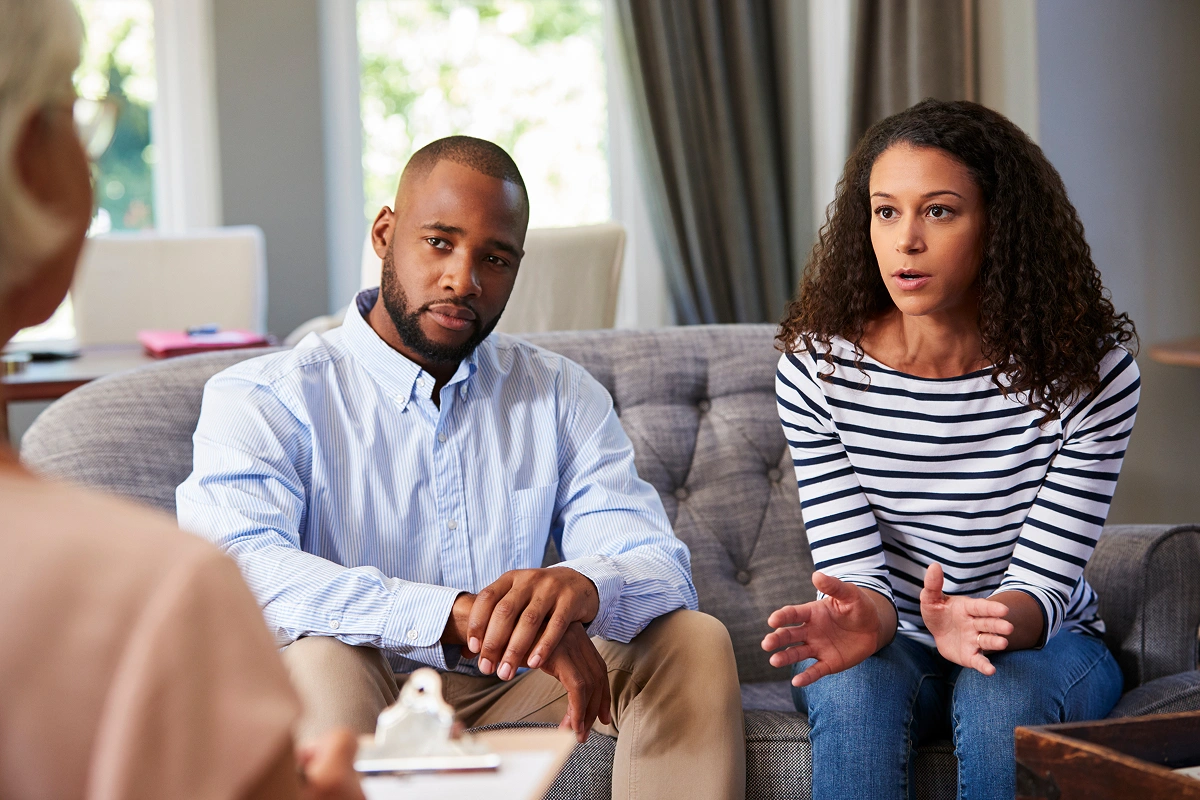
At Goodings Grove Psychological Services, Dr. Elizabeth is committed to helping couples build stronger, healthier relationships. Using expert conflict resolution techniques, she focuses on addressing the root causes of relationship challenges and providing lasting solutions. Whether you’re dealing with communication issues, trust concerns, or emotional disconnection, Dr. Elizabeth’s approach empowers couples to navigate conflicts with greater understanding and respect.
By working with couples in Homer Glen, Dr. Elizabeth uses proven methods to help partners develop the tools needed for effective conflict resolution. Her approach fosters healthy communication, improves emotional intimacy, and increases relationship satisfaction. In this blog, we will dive into how Dr. Elizabeth’s techniques can help couples in Homer Glen lead more fulfilling, harmonious lives together.
The Power of Effective Conflict Resolution in Relationships
Conflict is a natural part of any relationship. The key is how couples handle those conflicts. Couples who lack effective strategies for resolving disagreements often find themselves stuck in negative cycles of communication and frustration. Over time, this can lead to increased tension, resentment, and even a breakdown in the relationship.

However, conflict does not have to mean the end of a relationship. In fact, resolving conflicts effectively can strengthen the bond between partners. Dr. Elizabeth’s conflict-resolution techniques help couples address their issues without escalating tensions. Through active listening, emotional regulation, and mutual respect, couples can break free from negative patterns and move toward resolution.
How Dr. Elizabeth Helps Couples in Homer Glen with Conflict Resolution
Dr. Elizabeth uses several conflict-resolution techniques to improve communication, promote empathy, and reduce misunderstandings. Here’s a closer look at some of the approaches she uses in couples therapy:
1. Active Listening
One of the most powerful tools in conflict resolution is active listening. Many conflicts arise when partners feel unheard or misunderstood. Dr. Elizabeth teaches couples the importance of truly listening to each other’s concerns without interrupting or jumping to conclusions. By focusing on the speaker and responding thoughtfully, couples are better able to understand each other’s emotions and perspectives.
Active listening allows couples to validate each other’s feelings, which is essential for building trust and fostering emotional intimacy. When both partners feel heard, they’re more likely to feel respected and understood, even during a disagreement.
2. Empathy and Emotional Validation
Often, conflicts escalate because one or both partners feel dismissed or invalidated. Dr. Elizabeth emphasizes the importance of empathy in resolving disagreements. By understanding each other’s feelings and showing compassion, couples can reduce defensiveness and create a safe space for open dialogue.
Emotional validation helps partners express their feelings without fear of judgment or rejection. Dr. Elizabeth encourages couples to acknowledge their partner’s emotions, even if they don’t fully agree with them. This practice not only helps in resolving the immediate conflict but also strengthens the relationship over time.
3. Setting Healthy Boundaries
Many couples struggle with setting healthy boundaries, leading to feelings of being overwhelmed, disrespected, or neglected. Dr. Elizabeth works with couples to help them establish clear and respectful boundaries that promote mutual respect. Boundaries allow partners to communicate their needs and limits, which in turn helps avoid feelings of resentment.
Setting healthy boundaries is not about controlling or limiting your partner; it’s about creating an environment where both of you feel comfortable expressing your needs while respecting each other’s space.
4. Problem-Solving and Compromise
Conflict resolution is not just about talking through disagreements—it’s also about finding solutions. Dr. Elizabeth guides couples through problem-solving exercises, helping them identify the core issues at hand and explore potential solutions. This process encourages collaboration rather than competition, allowing both partners to feel invested in the resolution.
Compromise is a crucial aspect of this process. Dr. Elizabeth encourages couples to seek win-win solutions in which both individuals are willing to meet each other halfway. This fosters cooperation and creates a sense of teamwork, strengthening the relationship.
5. Managing Emotions During Conflict
One of the biggest challenges in conflict resolution is managing intense emotions. Dr. Elizabeth helps couples understand how emotions can impact their reactions during disagreements. By teaching emotional regulation techniques, couples are better able to manage anger, frustration, and anxiety during conflicts.
When partners can remain calm and composed during a disagreement, they’re more likely to engage in productive conversations and avoid escalating the conflict. Emotional regulation also promotes a sense of safety, making it easier for both partners to engage in open and honest communication.
How Conflict Resolution Improves Relationship Satisfaction
The conflict resolution techniques used by Dr. Elizabeth not only help resolve immediate issues but also contribute to long-term relationship satisfaction. By learning how to communicate effectively, validate each other’s emotions, and find solutions to problems, couples build a stronger foundation of trust and respect.
When couples practice these techniques regularly, they experience increased emotional intimacy and a deeper connection. Relationship satisfaction improves as partners feel more understood, supported, and valued. These skills also help couples navigate future conflicts with greater ease, ensuring that challenges don’t weaken the relationship.
Ultimately, conflict resolution techniques help couples in Homer Glen experience a healthier, happier relationship where both individuals feel heard, respected, and emotionally connected.
Dr. Elizabeth at Goodings Grove Psychological Services in Homer Glen is here to help. Call us today at (708) 529-6976 to schedule your consultation for a fulfilling relationship.
People Also Ask
1. What should I do if my partner isn’t open to couples therapy?
It can be difficult if your partner is hesitant about therapy. However, many couples find success by starting with individual therapy, which can help each person work on their communication skills and emotional needs. Once both partners are open to the idea, couples therapy can become a valuable tool in resolving conflicts.
2. How can I start practicing conflict resolution with my partner?
Start by incorporating active listening and empathy into your everyday conversations. When you disagree, take a step back and focus on understanding your partner’s perspective without judgment. Regular practice will help make conflict resolution feel natural and productive.
3. Can conflict resolution really strengthen my relationship?
Yes, resolving conflicts in a healthy way can strengthen your bond with your partner. By communicating effectively, validating each other’s feelings, and working together to solve problems, you’ll build a deeper sense of trust and connection.
4. How long does it take to see improvements in my relationship?
The timeline for improvement varies depending on the complexity of the issues. However, most couples begin to see positive changes within a few weeks of implementing conflict-resolution techniques. Consistent effort and practice lead to lasting results.
5. How do I know if I need couples therapy?
If you and your partner are experiencing ongoing communication issues, frequent arguments, or emotional distance, couples therapy can help. Therapy provides a safe space to address concerns and improve your relationship dynamics.