By Goodings Grove Psychology Associates | August 15, 2024
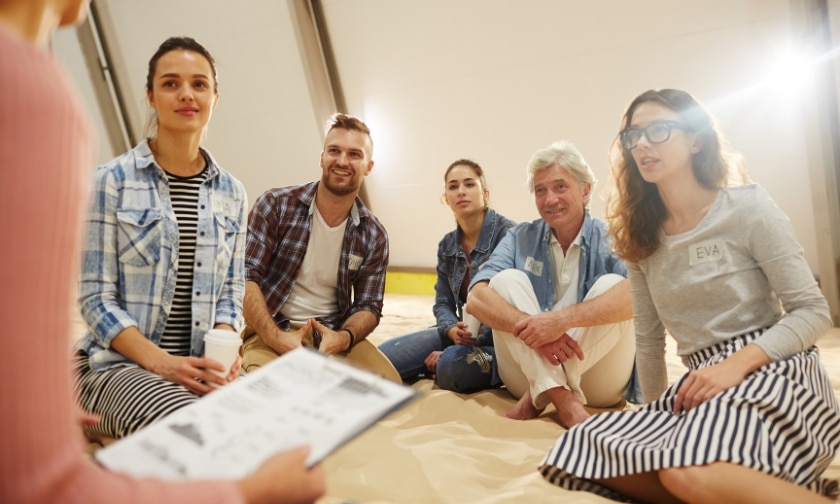
Group therapy offers a special setting where people can share their personal experiences and support one another. This therapeutic approach is distinct from individual therapy because it leverages the collective experience of the group to foster empathy and mutual understanding. By interacting with others who face similar challenges, participants often find a deeper sense of connection and validation. This blog explores how group therapy helps individuals build empathy and understanding, contributing to personal growth and collective healing.
The Role of Shared Experiences
Building Trust and Safety
- Foundation of Trust: Trust is the cornerstone of any successful group therapy session. When individuals begin to share their personal stories, it creates a sense of safety. This environment encourages openness and honesty, which is crucial for effective therapy. Trust allows participants to feel secure in expressing their deepest feelings without fear of judgment or rejection.
- Creating a Safe Space: Establishing a safe space is essential in group therapy. It ensures that all participants feel comfortable sharing their experiences. Ground rules are often set at the beginning of therapy to promote confidentiality and respect. This helps prevent breaches of privacy and ensures that everyone’s stories are handled with sensitivity.
Normalizing Emotions
- Feeling Less Isolated: Many people enter group therapy feeling isolated in their struggles. Hearing others express similar feelings can be incredibly reassuring. It helps normalize their experiences and shows that they are not alone in their challenges. This validation can be profoundly comforting and encourages individuals to face their issues head-on.
- Acknowledging Shared Struggles: Normalizing emotions through shared experiences helps participants understand that their feelings are a common human experience. This acknowledgment can reduce feelings of shame or embarrassment, making it easier for individuals to process and work through their emotions.
Encouraging Openness and Insight
- Fostering Openness: The act of sharing personal experiences in a group setting encourages others to open up as well. This mutual exchange of stories often leads to deeper discussions and insights. Participants gain new perspectives on their own issues by listening to others, which can lead to personal revelations and breakthroughs.
- Gaining New Perspectives: Group therapy allows individuals to see their challenges from different viewpoints. Listening to others’ experiences and coping strategies can provide valuable insights. These perspectives can inspire new ways of thinking about and addressing their own difficulties.
Empathy Development in Group Therapy
Understanding Diverse Perspectives
- Exposure to Different Experiences: Group therapy brings together people from various backgrounds and life experiences. This diversity allows participants to gain a broader understanding of different ways people cope with similar problems. Exposure to these varied experiences fosters empathy and a deeper appreciation of others’ struggles.
- Appreciating Different Coping Strategies: Each person in a group uses different strategies to manage their challenges. Learning about these different approaches can enhance participants’ empathy. It helps them understand that there is no one-size-fits-all solution and that different methods can be equally valid and effective.
Building Emotional Connections
- Creating Bonds Through Shared Struggles: Sharing personal experiences often leads to strong emotional connections among group members. These bonds create a supportive network where individuals can lean on each other for encouragement and understanding. The shared experience of facing difficulties together strengthens these connections and enhances group cohesion.
- Relating to Others’ Emotions: As participants listen to and empathize with others’ experiences, they develop a greater capacity for understanding their own emotions. This empathetic connection helps individuals feel more supported and less isolated in their struggles.
Learning and Growth from Shared Experiences
- Learning New Coping Techniques: Group therapy offers a platform for participants to share effective coping strategies. By learning about how others handle similar issues, individuals can discover new techniques that might work for them. This exchange of practical advice can be a powerful tool for personal growth and problem-solving.
- Inspiration and Motivation: Witnessing others’ progress and success can be inspiring. It motivates participants to persevere through their own challenges. Observing how others have overcome difficulties can provide hope and encouragement, reinforcing the belief that positive change is possible.
Overcoming Barriers to Sharing in Group Therapy
Addressing the Fear of Judgment
- Combating Judgmental Thoughts: One of the main barriers to sharing in group therapy is the fear of judgment. Individuals may worry that their experiences will be criticized or misunderstood. To combat this, group facilitators emphasize the importance of respect and confidentiality. Creating a non-judgmental atmosphere encourages honest and open communication.
- Building Confidence to Share: Facilitators often work to build participants’ confidence by highlighting the benefits of sharing. As individuals see others responding positively, they may feel more comfortable expressing their own thoughts and feelings. This gradual increase in comfort helps overcome initial fears.
Managing Vulnerability
- Facing the Challenge of Vulnerability: Sharing personal experiences requires a level of vulnerability that can be intimidating. Group therapy provides a supportive environment where vulnerability is met with empathy and acceptance. This supportive response helps individuals feel safe enough to express their innermost feelings.
- Encouraging Compassion: Facilitators play a key role in encouraging compassion within the group. By modeling empathy and understanding, they help create an environment where participants feel encouraged to share their experiences. Compassionate responses from group members further support this process.
The Facilitator’s Role in Enhancing Group Dynamics
Guiding Effective Communication
- Managing Group Dynamics: A facilitator’s role includes guiding discussions and managing group dynamics. They ensure that everyone has an opportunity to speak and that discussions remain productive. This balanced approach helps create an inclusive environment where all voices are heard.
- Encouraging Participation: Facilitators encourage quieter members to share their experiences and support those who may dominate the conversation. This balanced approach helps ensure that everyone has a chance to contribute and benefit from the group therapy process.
Promoting Respect and Confidentiality
- Setting Group Norms: Facilitators establish ground rules to promote respect and confidentiality. These norms help create a safe and supportive environment for sharing personal experiences. Ensuring that all participants adhere to these rules fosters trust and openness within the group.
- Addressing Conflicts: Conflicts may arise in group therapy, and facilitators are responsible for addressing them constructively. They help participants navigate disagreements and find common ground, ensuring that conflicts do not undermine the therapeutic process.
The Transformative Power of Group Therapy
Group therapy provides a unique and effective platform for fostering empathy and understanding through shared experiences. As participants connect with one another, they build a supportive community that promotes personal growth and healing. The process of sharing and learning from others’ experiences enhances empathy and strengthens emotional bonds. Ultimately, group therapy helps individuals navigate their challenges with greater resilience and a sense of belonging. By participating in group therapy, individuals can experience the transformative power of connection and collective support.
Frequently Asked Questions
What is group therapy, and how does it work?
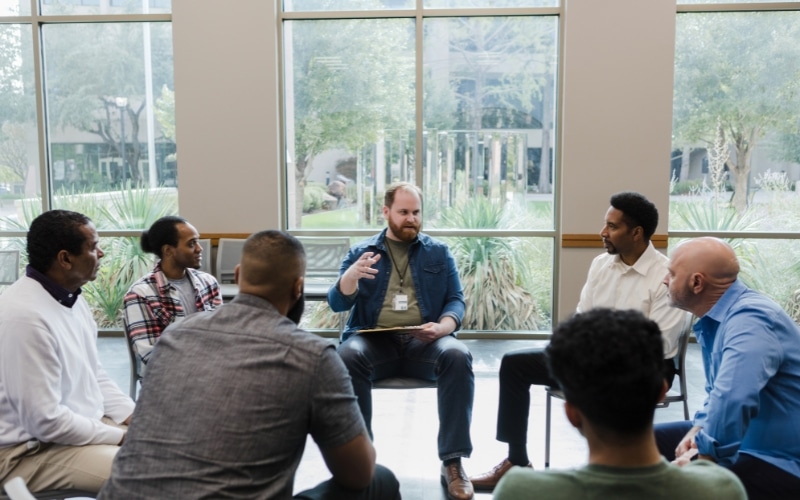
Group therapy involves a therapist working with a group of individuals who share similar challenges or goals. Sessions typically include discussing personal experiences, providing support to one another, and learning coping strategies. The group setting allows participants to share insights and receive feedback from peers, which can enhance understanding and empathy.
How does group therapy help build empathy?
Group therapy helps build empathy by allowing individuals to hear and relate to others’ experiences. As participants share their stories and listen to those of others, they gain insight into different perspectives and emotional responses. This process fosters a deeper understanding of others’ feelings and experiences, leading to increased empathy.
What are the common challenges faced in group therapy?
Common challenges in group therapy include fear of judgment, difficulty opening up, and managing group dynamics. Some participants may initially struggle with sharing personal information or may feel uncomfortable with differing opinions. Addressing these challenges involves building trust, setting group norms, and providing guidance to ensure a respectful and safe environment.