
By Goodings Grove Psychology Associates | January 29, 2024
Fear of flying is known as aerophobia. It affects around 25 million adults in the United States, making it extremely common. People who are afraid can typically overcome it with psychotherapy and fly without experiencing severe anxiety or panic attacks.
What is aerophobia?
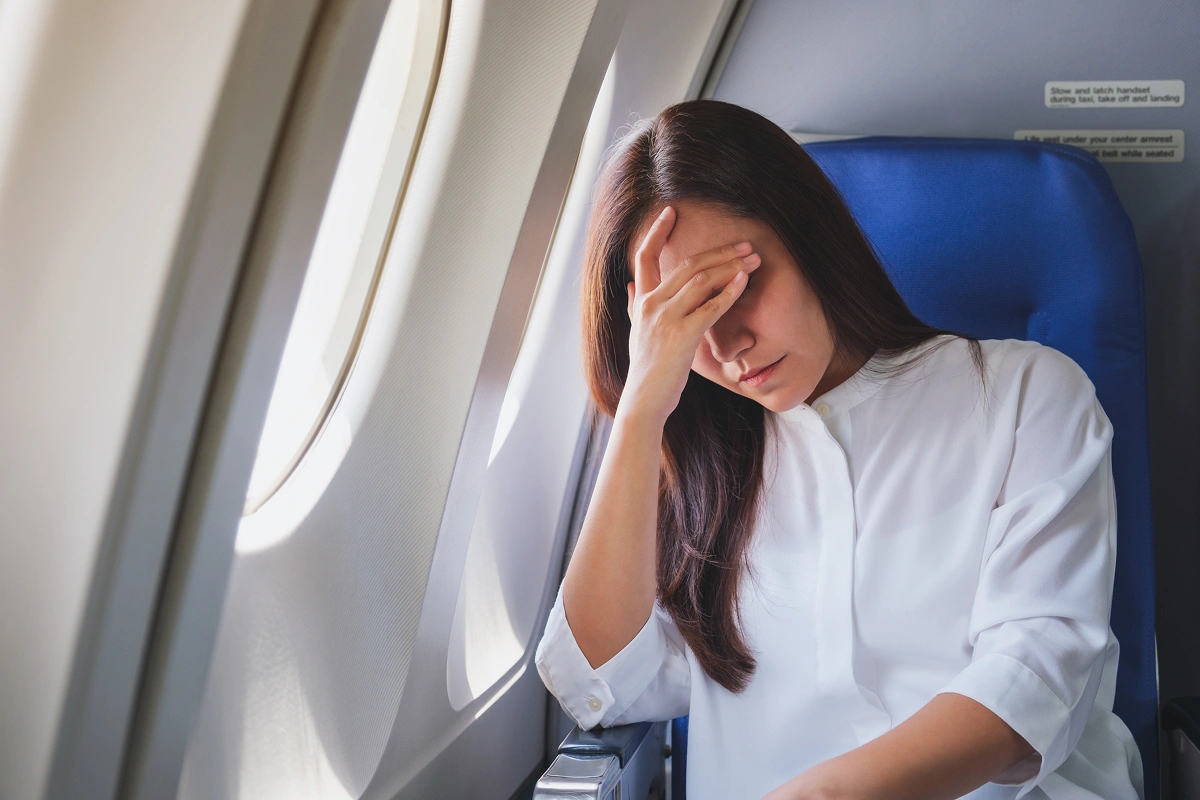
Aerophobia is an intense fear of flying on an airplane. Those with aerophobia may experience fear related to various aspects of flying, including take-off, landing, or feeling trapped on the plane. While individuals with this fear may recognize that it is irrational — given that air travel has statistically lower fatality rates compared to other forms of transportation — they are unable to logic their way out of the anxiety. Another term for this condition is aviophobia.
Most individuals with aerophobia are not necessarily fearful of the plane crashing. Instead, their fear is often linked to the overwhelming anxiety associated with being on a flight. The anticipation of flying, or simply the thought of it, can be just as distressing as the actual flight itself.
What is a phobia?
A phobia is a type of anxiety condition characterized by an overwhelming and ongoing fear of a thing or circumstance. The majority of phobias cause a sudden and intense feeling of terror, and they frequently last longer than six months.
How common is aerophobia?
Determining the exact number of people experiencing aerophobia can be challenging, as many individuals with this fear may avoid flying instead of seeking a diagnosis. However, it is estimated that 2.5% to 5% of people experience aerophobia.
What’s the prognosis (outlook) for people with aerophobia?
Dr. Elizabeth Joy Fazio, a licensed clinical psychologist in Homer Glen, emphasizes that the majority of individuals with aerophobia respond positively to psychotherapy and various treatment approaches. A study suggests that symptoms in some participants showed improvement for up to two to three years after undergoing Cognitive-Behavioral Therapy (CBT). It’s worth noting that for some individuals, ongoing therapy may be necessary, as aerophobia has the potential to resurface even after initial treatment.
Symptoms and Causes
Who is at risk for aerophobia?
Aerophobia can affect anyone, however specific risk factors can make it more likely for you to get the illness, such as: possessing an additional phobia that is pertinent, like acrophobia or claustrophobia—having a past filled with unreasonable anxieties or experiencing anxiety, despair, or panic attacks.
What causes aerophobia?
Aerophobia typically lacks a specific origin, and it is uncommon for the fear to be rooted in a traumatic flight experience. Potential triggers for aerophobia may include:
- Exposure to news stories depicting terrorism, crashes, or violence aboard airplanes.
- Anxiety related to take-off and landing.
- Concerns about the potential spread of fire or illness within the plane.
- Turbulence was experienced during the flight.
Moreover, other existing phobias can exacerbate aerophobia, such as:
- Acrophobia (fear of heights).
- Agoraphobia (fear of leaving the house or being unable to escape or seek help in case of an emergency).
- Anthropophobia (fear of people).
- Claustrophobia (fear of crowded, confined spaces).
- Mysophobia (germaphobia, or fear of germs).
What are the symptoms of aerophobia?
Individuals experiencing aerophobia often go to great lengths to avoid air travel. This avoidance behavior may result in missing family vacations or declining work-related travel opportunities. Some may adamantly opt for alternative modes of transportation, such as cars, buses, or trains, even if these options are less convenient than flying. For those with aerophobia, there might also be a tendency to steer clear of movies, books, or news stories related to air travel. Alternatively, there could be an intense focus on acquiring knowledge about security measures at airports and planes.
Additionally, individuals with aerophobia may be susceptible to panic attacks either before or during a flight, manifesting symptoms such as:
- Chills.
- Dizziness and lightheadedness.
- Excessive sweating (hyperhidrosis).
- Heart palpitations.
- Nausea.
- Shortness of breath (dyspnea).
- Trembling or shaking.
- Upset stomach or indigestion (dyspepsia).
Diagnosis and Tests
How is aerophobia diagnosed?
A specific diagnostic test for aerophobia does not exist. Instead, your healthcare provider will thoroughly assess your symptoms and inquire about various aspects of your fear of flying. The spectrum of aerophobia can vary, ranging from mild (being willing to fly but feeling anxious) to severe (refusing to fly for an extended period, such as more than five years).
Your healthcare provider may diagnose you with a specific phobic disorder, like aerophobia if you:
- Exhibit symptoms triggered by thoughts of the feared object or situation, such as airplanes or air travel.
- Sustain the fear for six months or longer.
- Go to lengths to avoid the object or situation causing the fear.
- Encounter challenges in functioning at home, work, or in social situations due to the impact of your fear.
Treatment
How is aerophobia managed or treated?
Many individuals can address their fear of flying through psychotherapy. Your healthcare provider might suggest:
- Cognitive-behavioral therapy (CBT): This approach focuses on altering your thoughts about flying. It may involve gaining knowledge about how planes operate, reviewing safety statistics for air travel compared to other modes, and learning techniques to manage triggers. For instance, practicing deep breathing or meditation during take-off, landing, or turbulence can alleviate anxiety symptoms. CBT also teaches strategies to counter negative thoughts about flying.
- Exposure therapy: This form of therapy gradually exposes you to environments, thoughts, or situations related to air travel. Activities could include visiting an airport to observe planes arriving and departing. Virtual reality tools, like computer simulations of flights, can aid in overcoming the fear of flying.
Psychotherapy may occur individually with a therapist or in a group setting. Some U.S. cities offer group therapy programs at airports, culminating in a “graduation flight” at the program’s conclusion.
When dealing with aerophobia or specific phobic disorders, such as fear of flying, Dr. Elizabeth Joy Fazio, licensed clinical psychologist in Homer Glen, emphasizes the limited long-term effectiveness of medication for management. However, for individuals who must fly and are apprehensive about potential panic attacks, healthcare providers may suggest the use of anti-anxiety drugs as necessary.
Prevention
Is there a way to prevent aerophobia?
Preventing aerophobia is not possible, but you can minimize its impact on your life by:
- Steering clear of factors that can exacerbate anxiety, including caffeine, drugs, or alcohol.
- Confiding in a supportive network of family members, friends, or peers about your fears and anxieties.
- Engaging in open communication with your healthcare provider to discuss and address your concerns.
If you are struggling with flight anxiety, there are numerous resources at your disposal. These include support groups, educational books and websites, online chat rooms, and self-help techniques. Dr. Elizabeth Joy Fazio, a licensed clinical psychologist in Homer Glen, can assist you in integrating these resources with her therapy to effectively conquer your fears. Remember, you are not alone in experiencing flight anxiety, and there is a large community of individuals who have successfully overcome it.